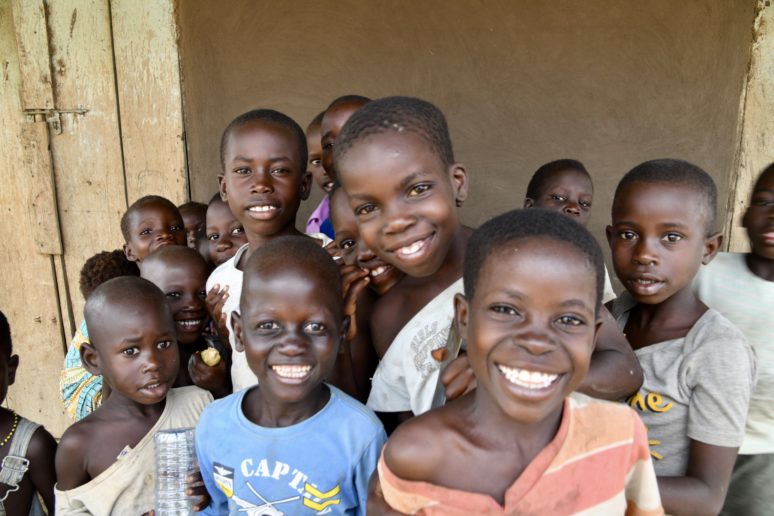
Runga's children
Primary school education
These children in the photo live in Runga, a village in western Uganda, where around 1,500 children and young people live. If they are allowed to go to school at all, the children have to walk around 6 kilometres to the nearest school. We at Kidshare want to change this and build a kindergarten and a primary school in Runga together with the local population.
Why primary education is important in Africa
Primary education is crucial to breaking the cycle of poverty and promoting economic development. By building schools and supporting local initiatives, we at Kidshare The project contributes to giving children access to education, improving their future prospects and sustainably increasing the quality of life in these regions.
Kidshare is committed to ensuring that every child has the right to education and actively supports the construction and equipping of primary schools in Uganda and Kenya. Together with the local population, we are working to create a better future for generations to come.
Challenges for the education structure in Uganda
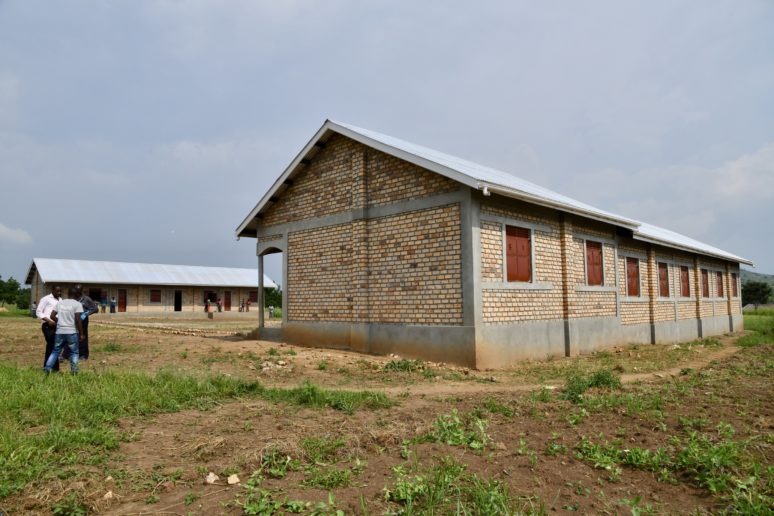
The current education structure in Uganda faces major challenges, as Uganda has one of the youngest populations on the African continent. Almost half of the population is under 15 years old. As a result, many schools are overcrowded, class sizes of 50 or more pupils are not uncommon and there is a lack of well-trained teachers. The school buildings are often in poor condition.
The construction of new primary schools is therefore crucial to overcoming these challenges and ensuring quality education for all children. New schools can help to equalise pupil numbers, create a better learning environment and improve the overall quality of education. That is why we are committed to Kidshare in Uganda and work with our partner organisations to give children the best possible start to their future.
Parental involvement in Kenya
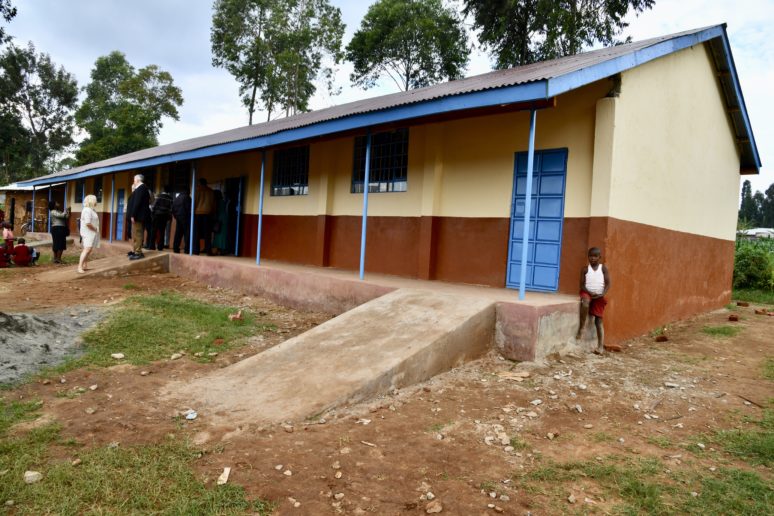
In Kenya, however, the problem is different. There, the initiative to build a school lies with the population and not with the government. The government only recognises a primary school if it is already equipped with at least 3 classrooms. The primary school can then receive a budget from the government, e.g. for teachers or the expansion of the school.
Here comes Kidshare into play: We support parents in the villages with our expertise and, of course, financially in their initiative to set up a local primary school. In this way, we help to bring primary school education to remote regions of Kenya. Here, too, the local population is heavily involved in the projects and actively collaborates.